The Case for Regular Roof Audits in Commercial Buildings
For facility managers, property investors, and asset directors across South-East Queensland, the roof represents one of the largest capital components of any commercial building. Yet, because it remains out of sight, it frequently remains out of mind until catastrophic failure occurs. Operating reactively to roof maintenance in 2026 is no longer just a poor operational choice; it is an expensive financial liability. Scheduling regular commercial roof audits provides an essential safeguard that protects structural integrity, prevents stock loss, and keeps commercial operations running without unexpected disruptions.

The Unique Climate Pressures of South-East Queensland
Commercial assets in South-East Queensland endure some of the most aggressive environmental conditions in Australia. From the Gold Coast and Brisbane to the Sunshine Coast, commercial roofs are subjected to intense UV degradation throughout the year, followed by violent seasonal storm cells characterised by torrential downpours, gale-force winds, and destructive hail. Furthermore, coastal proximity introduces airborne salts that accelerate galvanic corrosion on standard steel profiles and fasteners.
Under these subtropical conditions, minor deficiencies rapidly evolve into major failures. Thermal expansion and contraction stress flashings, seams, and sealants on broad-span metal roofs. Without structured audits to catch these micro-failures early, the rapid influx of tropical storm water can inundate ceiling cavities, ruin electrical distribution boards, and cause costly business downtime.

Financial and Operational Advantages of Proactive Auditing
Adopting an audit-led asset management model delivers direct bottom-line advantages. Commercial property insurance underwriters in 2026 enforce stringent maintenance clauses, routinely rejecting water ingress claims where building owners cannot demonstrate a documented record of preventative roof maintenance. Regular auditing ensures your portfolio remains fully compliant with insurer mandates and local building codes.
- Extended Asset Lifespan: Routine targeted repairs identified during audits can extend a commercial roof's service life by ten to fifteen years, delaying million-dollar replacements.
- Uncompromised Business Continuity: Pre-emptive detection stops internal leaks before they damage inventory, sensitive IT hardware, or manufacturing equipment.
- Insurance Compliance: Comprehensive audit documentation validates warranty claims and satisfies the due-diligence criteria required by property insurers.
- Optimised Energy Efficiency: Detecting compromised insulation and deteriorating cool-roof coatings ensures HVAC systems run efficiently, lowering rising commercial energy costs.
Modern Roof Auditing Technologies
The standard of commercial roof auditing has transformed significantly. Modern audits leverage cutting-edge diagnostic tools that provide non-invasive, objective insight into the roof envelope without disrupting daily tenant activities. High-resolution drone inspections capture detailed visual telemetry of hard-to-reach box gutters, parapets, and complex penetrations, eliminating unnecessary fall-from-height hazards during preliminary assessments.
Additionally, aerial infrared thermography plays a vital role. In 2026, certified auditors use thermal imaging immediately after sunset to identify trapped moisture within insulation layers beneath membrane and flat metal roofs. This enables pinpoint remediation of localised water entrapment before it triggers widespread sub-roof rot or structural deck corrosion.
Key Focus Areas of a Commercial Roof Audit
A rigorous roof inspection evaluates every component of the water-shedding and drainage system. Auditors pay particular attention to junctions where failures most commonly initiate, delivering a clear matrix of immediate, medium-term, and capital-expenditure priorities.
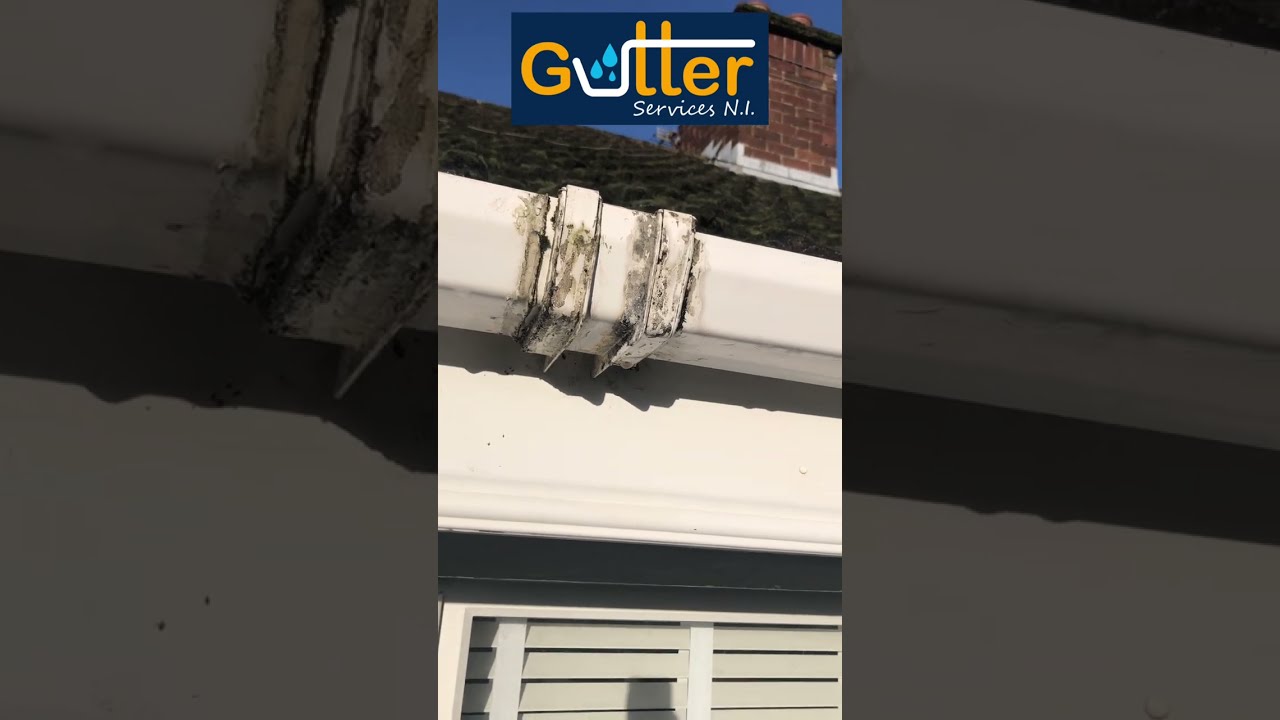
- Drainage and Sump Capacities: Inspecting box gutters, downpipes, and overflow scuppers to ensure they can manage high-intensity South-East Queensland rain events.
- Penetrations and HVAC Units: Checking the integrity of pitch pans, boots, and sealants around ventilation ducts, air-conditioning plants, and solar array mounts.
- Fasteners and Laps: Identifying loose, backed-out, or corroded fasteners, as well as capillary water movement along sheet overlaps.
- Parapet Flashings and Expansion Joints: Assessing metal capping, counter-flashings, and movement joints for split seams or material fatigue.
- Safety Systems Compliance: Auditing static lines, anchor points, and walkways in accordance with current Queensland Workplace Health and Safety standards.
Establishing an Audit Schedule for 2026 and Beyond
Commercial property owners in South-East Queensland should commission formal roof audits at least twice per year. The optimal schedule involves an audit in early spring—preparing the building envelope for the impending storm season—and an audit in late autumn to assess and repair any storm-induced wear before cooler, wetter periods. Additional non-scheduled audits are recommended immediately following severe hail or https://andresnnpx035.rivetgarden.com/posts/a-complete-guide-to-roof-restoration-on-the-gold-coast named weather systems.
As sustainability mandates and ESG reporting standards continue to tighten heading into 2027, maintaining a resilient, watertight, and energy-efficient building envelope is an imperative. Partnering with qualified commercial roofing professionals for regular audits protects your balance sheet, preserves property valuation, and guarantees long-term tenant satisfaction.
SEQ Roof Restoration Experts
Unit 6/25 Lerna St, Woolloongabba QLD 4102
(07) 3132 3236